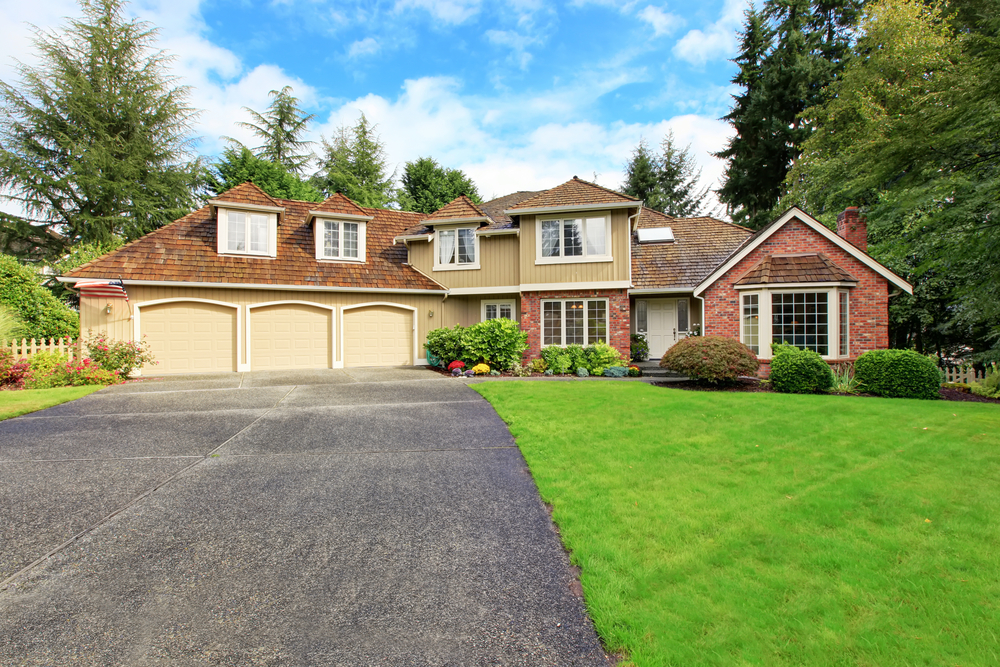
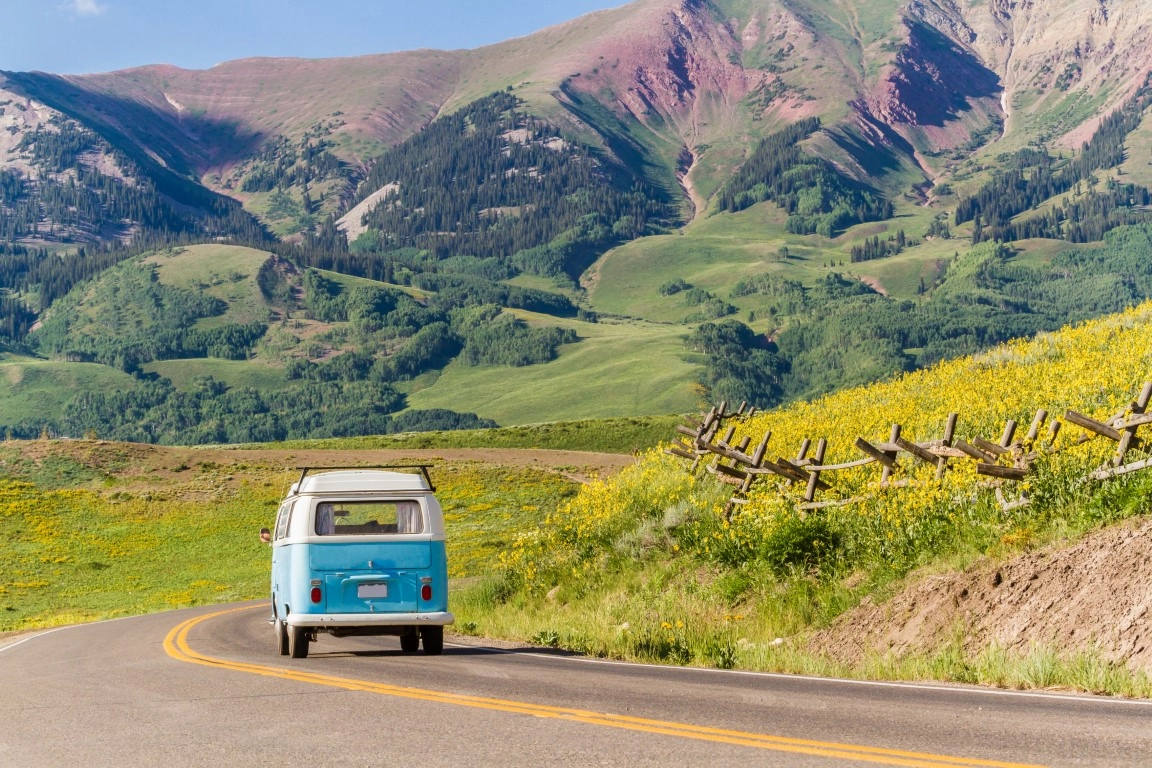
There’s nothing quite like a freshly paved asphalt surface — there’s a type of beauty in the pure black surface that hasn’t yet been worn down by time. However, asphalt doesn’t remain that deep black color forever; over time, it gradually fades to gray. This is a common sign of aging and environmental exposure, although the severity and cause can vary.
If you miss the days when your asphalt was fresh and black, keep reading to learn about what causes asphalt to turn gray, whether it’s a sign of damage, and what you can do to restore and protect your pavement.
The Most Common Reason Asphalt Turns Gray: Oxidation
Asphalt pavement is made from an aggregate bound together with bitumen. The oils and binders in fresh asphalt give it its dark appearance while also making it more flexible. Additionally, newly installed pavement retains more natural oils and is less oxidized, making it appear darker.
But what is oxidation? Oxidation occurs when an atom, molecule, or ion comes into contact with oxygen. This triggers a molecular process in which clumps of asphalt bond together in order to reach thermodynamic equilibrium.
As the oxidation process continues, the asphalt moves around tiny bit by tiny bit, trying to reach stabilization. This creates tiny cracks on the surface and causes the asphalt to become dry and brittle. The oils evaporate or break down, the pavement loses its flexibility, and the surface becomes lighter and duller. This process is normal, unavoidable, and happens gradually over the course of several years.
Sun Exposure and UV Damage
Sun exposure and UV damage can also contribute to asphalt’s dull, gray appearance. Ultraviolet rays from the sun can accelerate the oxidation process. UV exposure is extra harsh in sunny, high-elevation regions, which means Utah pavement is especially vulnerable to graying.
Weather and Environmental Factors That Cause Graying
There’s also a number of weather-related and environmental factors that can cause asphalt graying, including:
- Freeze-thaw cycles: When moisture infiltrates the pores in the asphalt and then freezes, it places stress on the asphalt, contributing to increased weathering and discoloration.
- Rain and moisture exposure: Water can slowly wear down and weaken the pavement, and poor drainage may speed up deterioration even further.
- Snow, ice, and de-icing chemicals: Wintertime weather and de-icing chemicals can contribute to surface wear and fading.
- Wind, dirt, and dust: Dust and debris can make the pavement appear faded or gray. This is especially common in industrial and rural areas.
Traffic Wear and Surface Abrasion
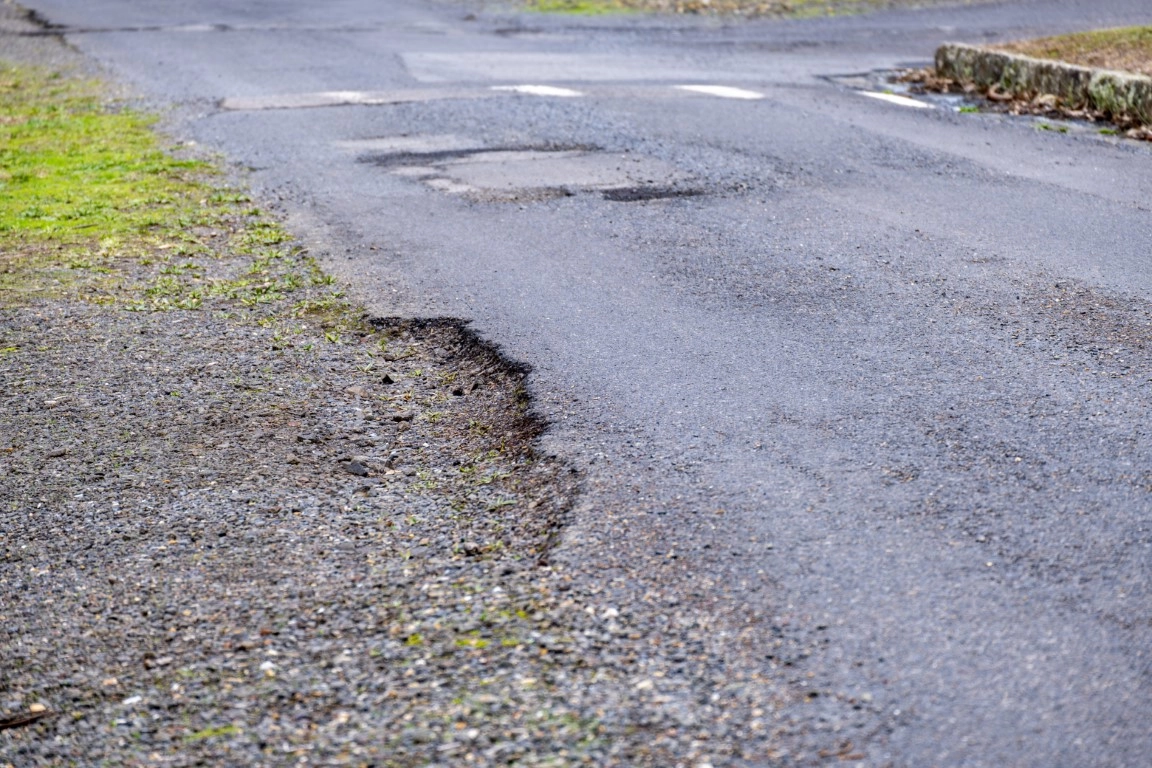
Additionally, constant vehicle traffic can wear down the surface of the asphalt, as well. Tires gradually abrade the top layer of asphalt, which is most noticeable in high-traffic areas or places where vehicles turn or brake (like entrances, intersections, and parking stalls). Heavy vehicles can also increase wear and tear, affecting commercial lots, industrial spaces, and delivery areas.
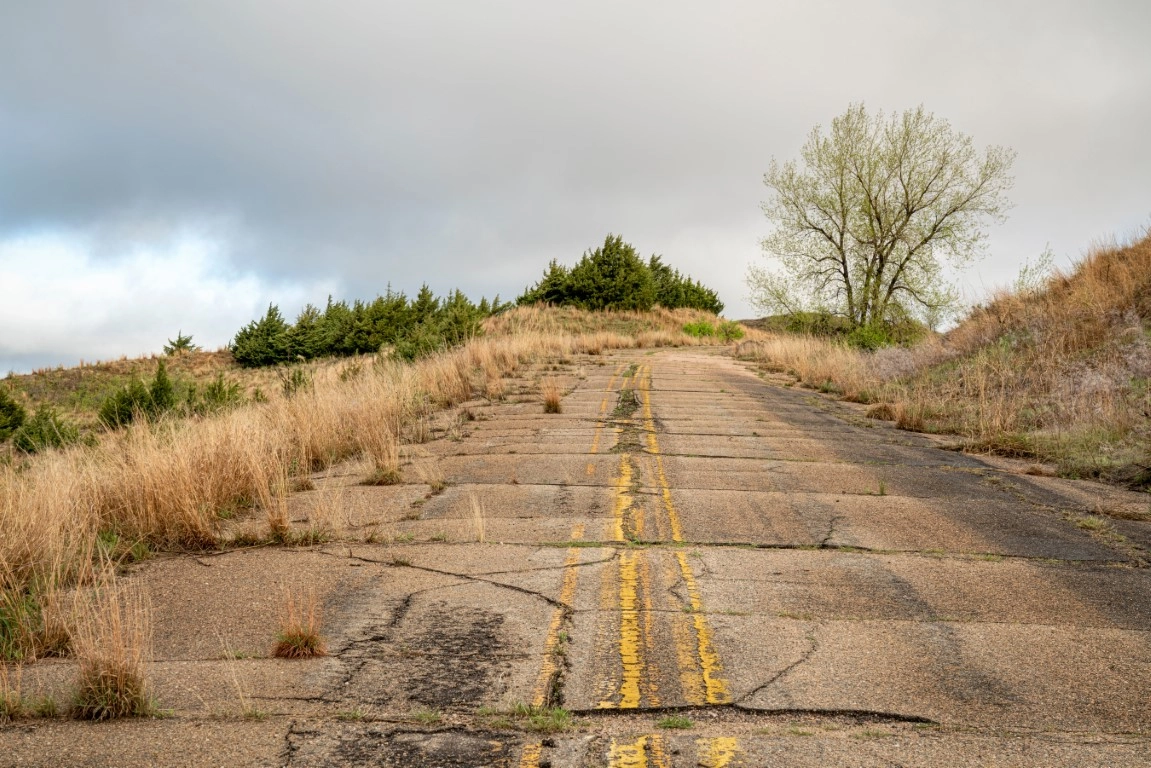
Is Gray Asphalt a Sign of Damage?
Gray asphalt isn’t always a sign of damage. Fading along doesn’t necessarily mean the asphalt is failing, especially if it’s mild. In many cases, it’s simply a cosmetic issue.
However, if the fading is accompanied by other issues, it could indicate a bigger problem. Gray, dry-looking asphalt often indicates aging binders and reduced protection. Watch for these signs:
- Cracking
- Surface brittleness
- Loose aggregate
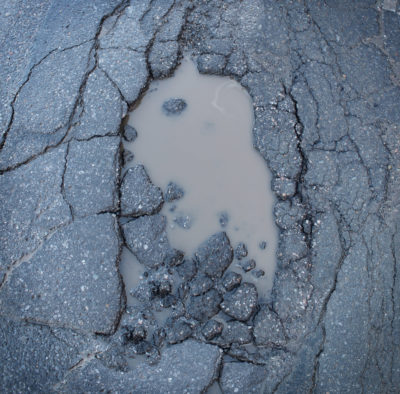
- Potholes
- Raveling or crumbling edges
- Water pooling
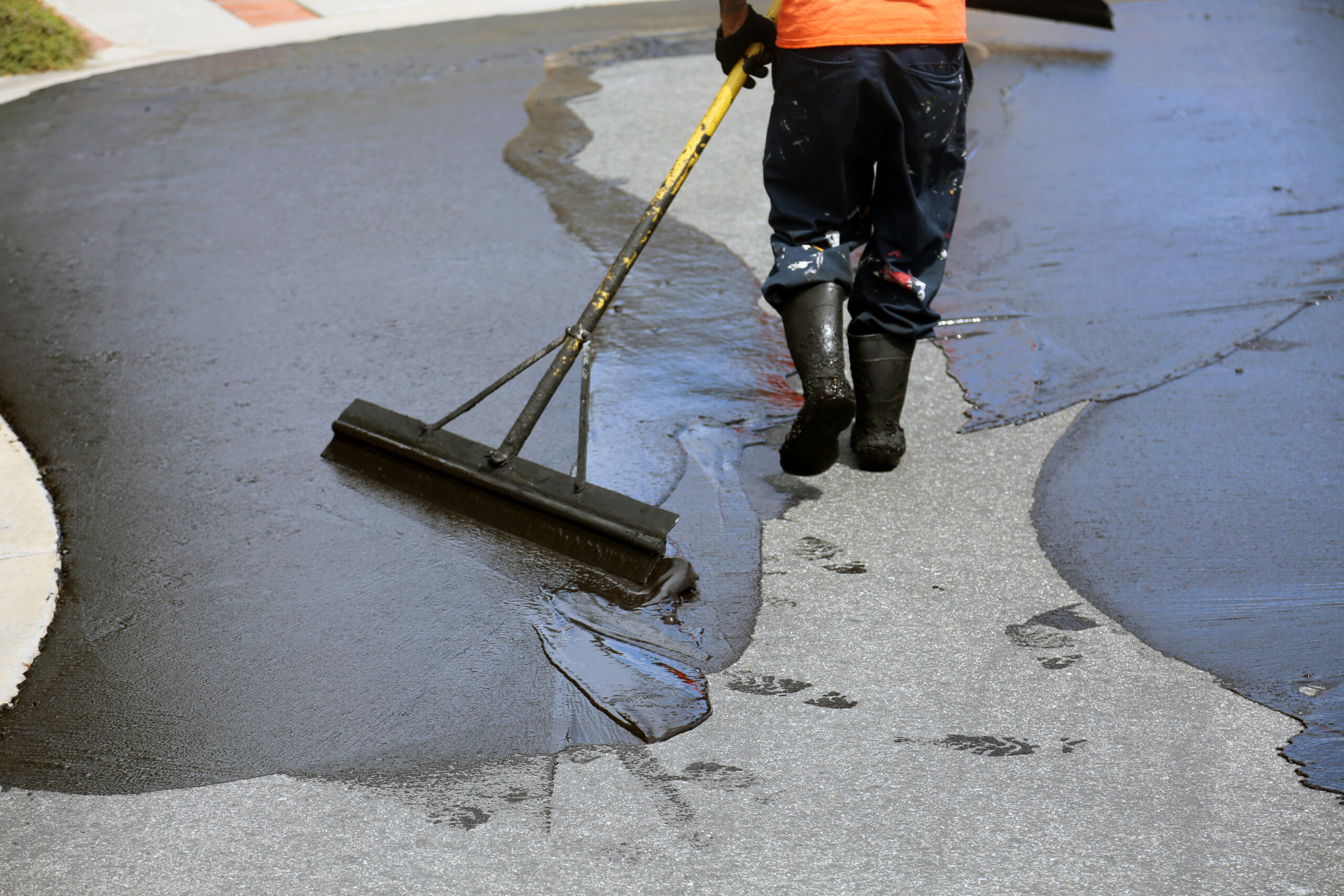
Restore and Protect Your Asphalt
Sealcoating is a valuable tool for protecting your asphalt and extending its lifespan. It restores pavement’s dark black appearance while helping to slow the oxidation process, reduce UV damage, protect against moisture intrusion, and resist oil and chemical damage.
The timing of when to sealcoat your asphalt depends on the age and condition of the pavement. Professional evaluation is helpful for determining when sealcoating is suitable.
In addition to sealcoating, make sure you schedule routine maintenance and inspections to protect your pavement’s long-term health. Seal any cracks you find to prevent water intrusion and more significant damage. Maintain good drainage to prevent standing water and runoff problems that can contribute to further issues.
Trust the Asphalt Experts
The surface color of your asphalt is only part of the story. If your asphalt surface is old, worn, or faded, contact Precision Asphalt Maintenance for a professional assessment. We can take a look at your asphalt’s structural conditions and determine whether it needs sealcoating, crack repair, patching, resurfacing, or other, more extensive rehabilitations. With our help, you can restore your pavement’s appearance and extend its lifespan.
Contact us today to schedule your asphalt evaluation before minor aging becomes major damage.