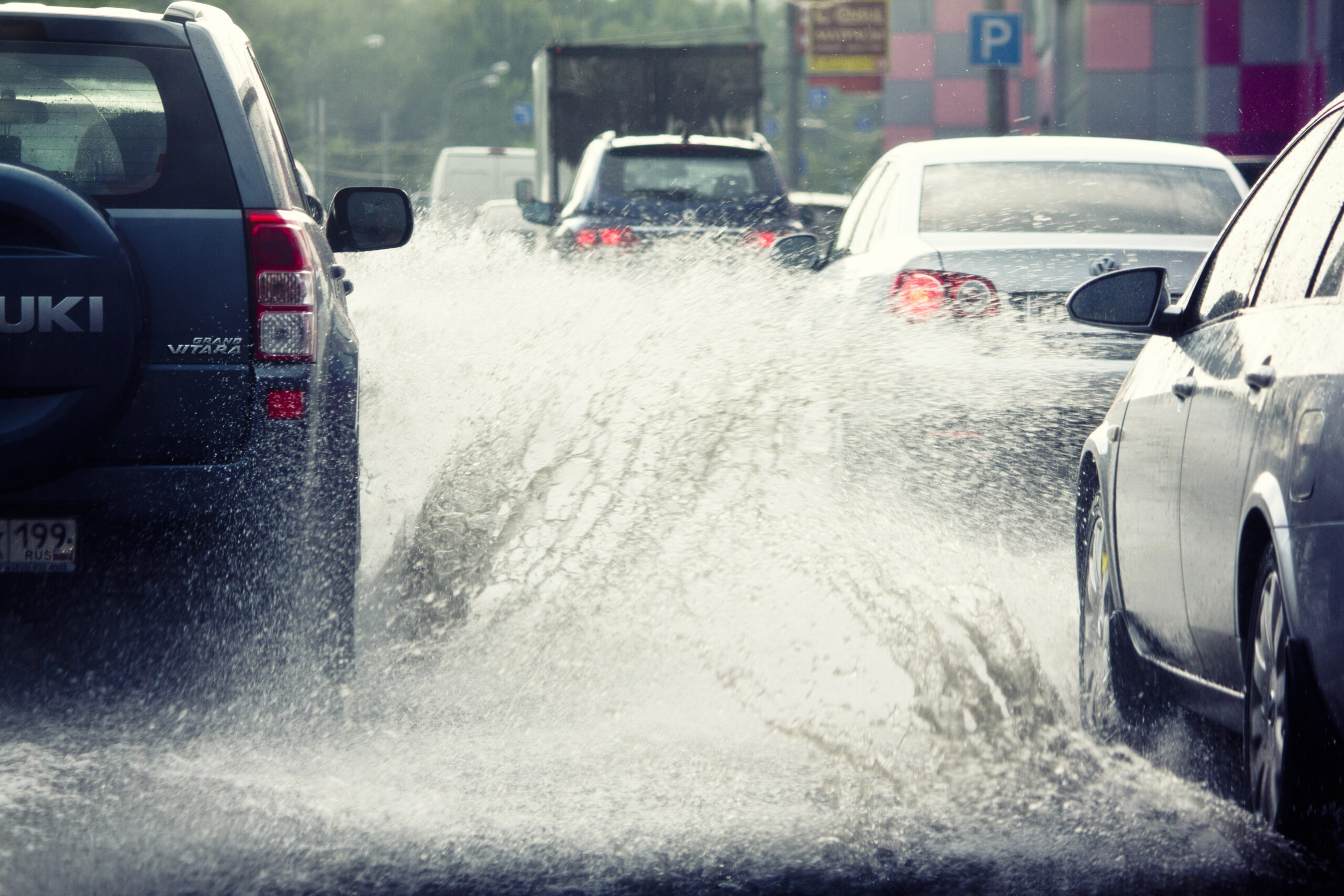
In Utah, we don’t get much rain, but when we do, it’s not uncommon to see parking lots and other asphalt surfaces submerged in a few inches of water. The dry ground cannot absorb the rain fast enough, leading to flash floods and puddles.
Asphalt is designed to resist water; however, it may not be able to withstand prolonged saturation or flooding. As the water sits there, it can soften the surface, degrade the binding agents, infiltrate the cracks and joints, and cause serious subsurface damage.
At Precision Asphalt Maintenance, we want you to have all the knowledge you need to make informed decisions about maintaining your asphalt, which is why we’re presenting this guide to the effect of flooding on asphalt surfaces. We’ll explore how asphalt is constructed, why it’s vulnerable to prolonged water exposure, the long-term consequences of flooding, preventative measures, and more.
The Effects of Flooding on Asphalt
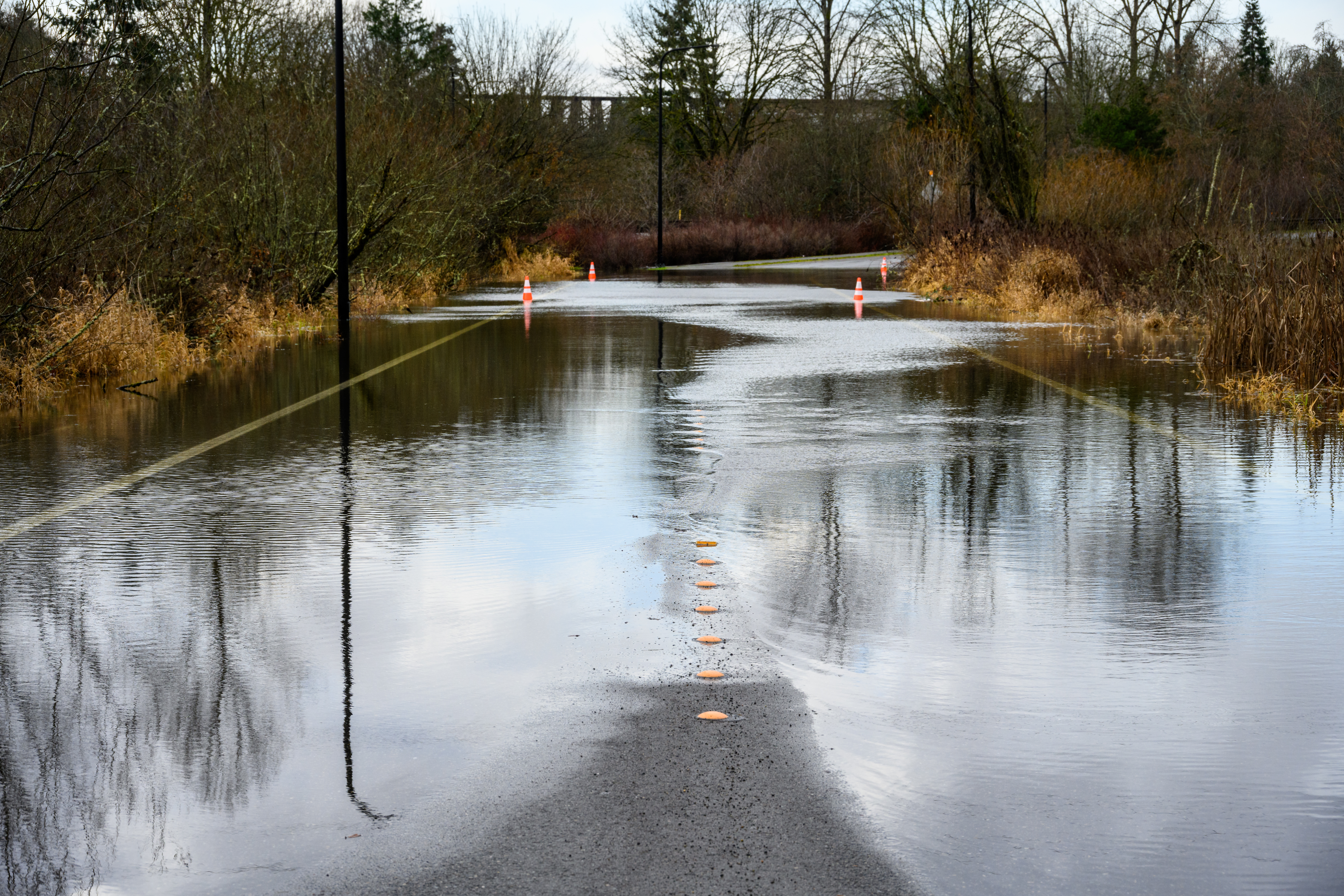
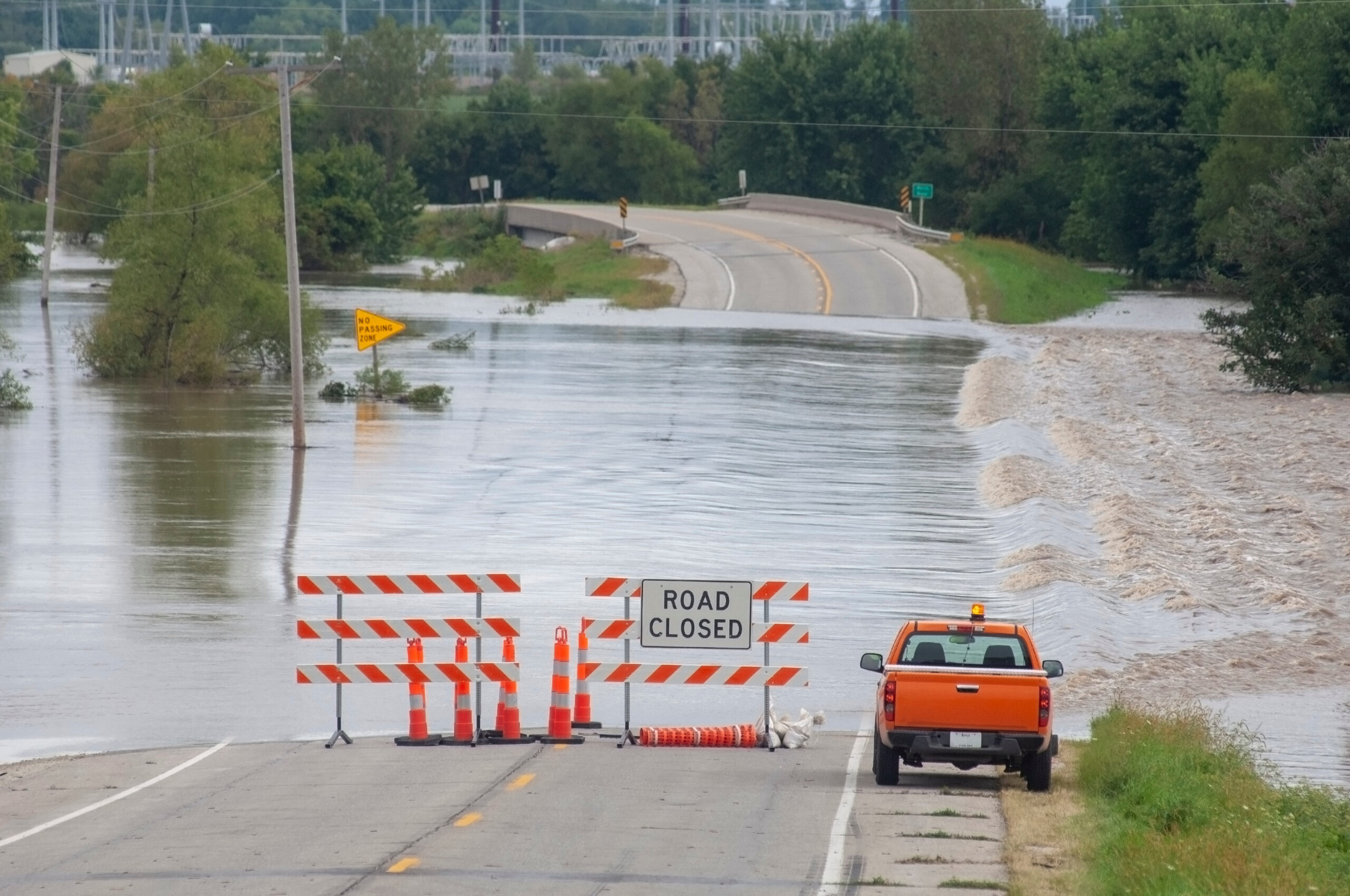
Flooding is different from normal rain exposure. With proper drainage, rainwater doesn’t collect on the surface of the asphalt — instead, it’s directed into drains or ditches. Flooding, whether it’s due to improper drainage or a severe weather event, means water sits on the surface of the asphalt for a long period of time. This can soften the asphalt, degrade the binding agents that keep the asphalt together, and cause water to infiltrate into the cracks and joints.
Asphalt has three main layers: the surface layer, the base layer, and the sub-base. As water saturates the base and sub-base layers, the soil can erode and shift beneath the pavement, creating a loss of structural support that leads to instability. This means an increased likelihood of future failures, even if the surface looks intact.
Common Types of Flood-Related Asphalt Damage
Now that you know why flooding can affect asphalt surfaces, let’s take a look at the types of damage it can cause:
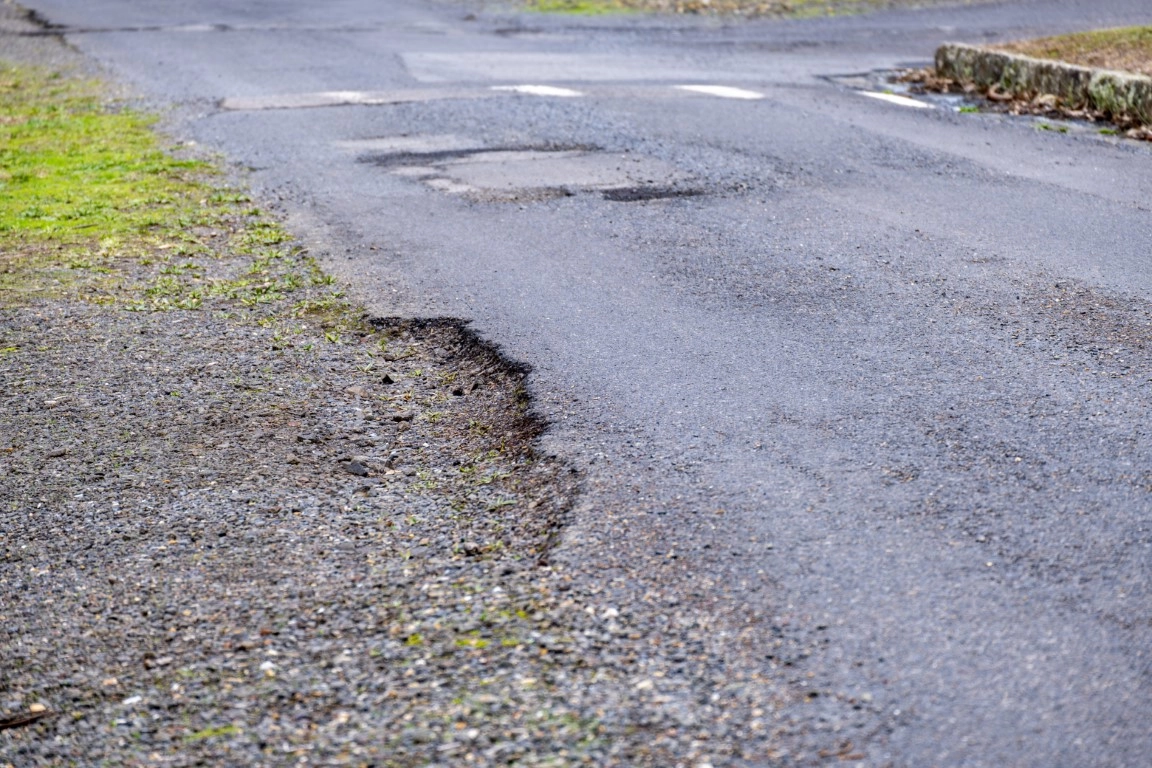
- Potholes: Trapped water weakens the pavement, leading to collapse.
- Cracking: Moisture intrusion can cause expansion and contraction, widening existing cracks.
- Rutting and depressions: A weakened sub-base can cause sinking or uneven asphalt surfaces. This allows water to pool in low spots, creating a cycle of damage.
- Raveling: As the binding agents weaken, the aggregate breaks down, causing the surface to become rough and loose.
- Edge deterioration: Poor drainage can cause the edges of the asphalt to erode and become washed-out.
This damage, if ignored, can cause progressive structural failure, requiring increased repair costs over time. Damaged asphalt can also cause safety hazards for vehicles and pedestrians and create liability concerns for property owners. Plus, it can reduce your property’s value and curb appeal, which can become a problem once you’re trying to sell.
Post-Flood Inspection: What to Look For
After a flood, inspect your asphalt for:
- Visible cracks, potholes, or uneven surfaces
- Standing water or poor drainage areas
- Soft spots or areas that feel unstable underfoot
It’s also a good idea to seek a professional inspection for hidden damage. You may not be able to tell if there are issues with the base or sub-base just by looking at it — a professional can use advanced tools and techniques to detect damage beneath the surface.
Repair and Restoration Options
Fortunately, if flooding takes its toll on your asphalt, there are plenty of repair and restoration options available, including:
- Crack sealing: Crack sealing can prevent further water infiltration and extend the life of your asphalt.
- Pothole repair and patching: Pothole repair can fill holes in the asphalt, but if there’s damage to the base, they may reoccur.
- Overlay resurfacing: If the surface layer is compromised but the base is intact, overlay resurfacing may be ideal.
- Full-depth repair or replacement: If sub-base damage is severe, it may be necessary to replace the entire system.
- Sealcoating after repairs: After repairs, adding a sealcoat can help protect the asphalt from future flooding and extend its lifespan.
Preventative Measures for Property Owners
It’s always smart to do everything you can to prevent damage, whether due to flooding or just regular wear and tear. This includes scheduling routine maintenance and inspections, regularly sealcoating your asphalt, addressing small cracks as soon as you notice them, improving drainage before flooding occurs, and installing barriers or adjusting grading in flood-prone areas.
Expert Asphalt Repairs and Maintenance
At Precision Asphalt Maintenance, we’re here to provide whatever asphalt repairs you need. Whether it’s potholes due to flooding or cracks due to heavy traffic, our team will restore your asphalt surface as soon as possible. Contact us today to get started!