Asphalt is the backbone of many types of infrastructure that we use every day. This versatile material is a marvel of engineering that goes through a fascinating journey on its way to becoming roads, highways, and parking lots.
As a leading asphalt paving and repair company, our team at Precision Asphalt Maintenance truly understands the significance of the manufacturing and installation processes in ensuring the longevity and durability of any asphalt surface. In this blog post, we’ll show you how asphalt is made, exploring several essential steps involved in transforming raw materials into the finished pavement we rely on each day.
#1. Raw Materials
The journey of asphalt production begins with the raw materials. Asphalt is made using bitumen, which is a sticky, thick substance that’s derived from crude oil. It serves as a binder to hold aggregates together, including materials such as crushed rock, gravel, and sand. These aggregates are carefully chosen based on their unique properties to meet the specific needs of the intended application and provide strength and durability.
#2. Mix Design
Once the raw materials have been obtained, the next step is mix design, which involves determining the precise proportions of bitumen and aggregates that will create an asphalt mix with the desired characteristics. Many factors are taken into account throughout the mix design process, including the traffic load the asphalt surface will have, the area’s climate conditions, and any local regulations. Highly trained engineers optimize the mix through advanced testing and modeling techniques, aiming to find the delicate balance between flexibility, durability, and resistance to environmental factors.
#3. Batching and Heating
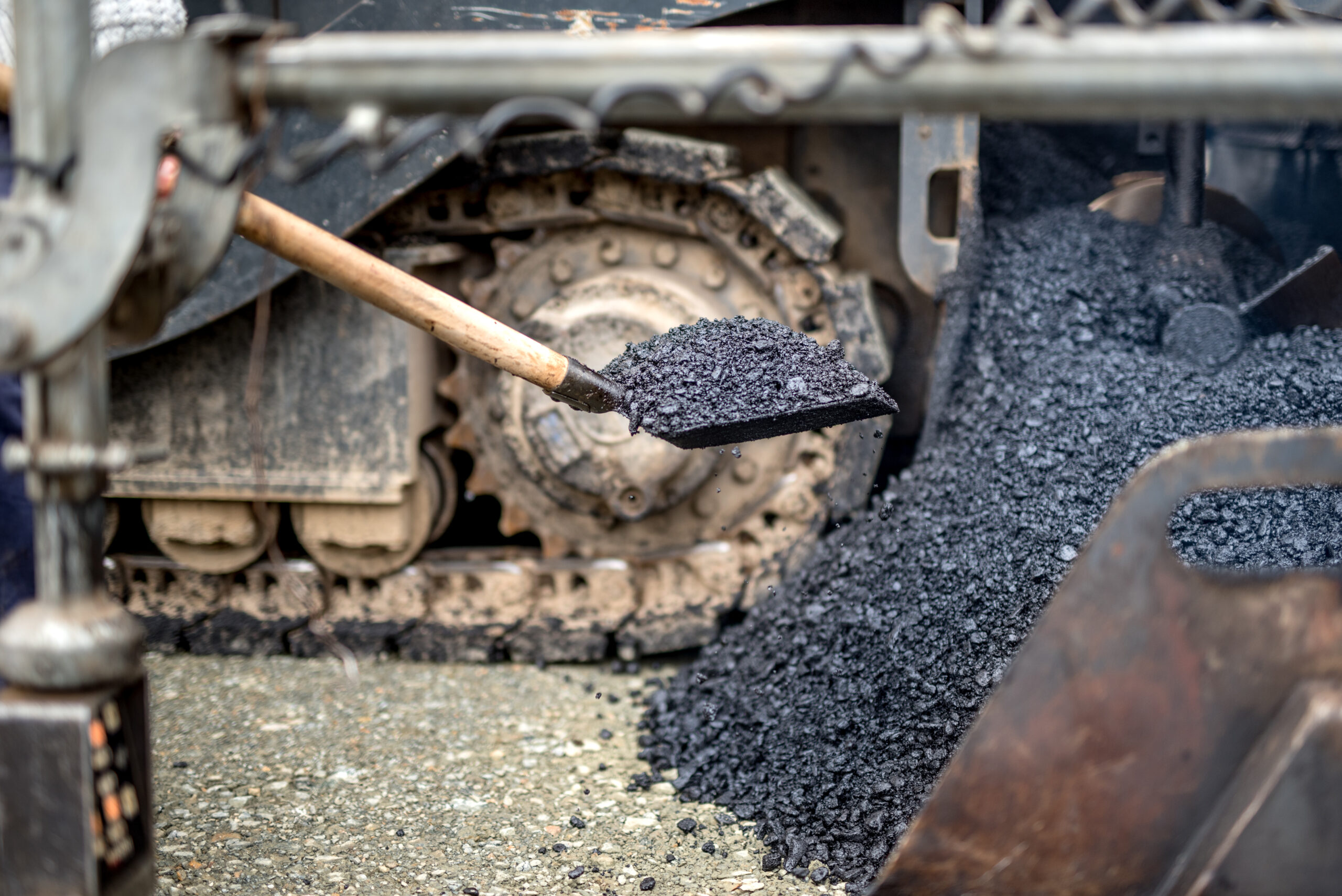
Asphalt is made in batches once the mix design has been developed. The aggregate materials are carefully measured and then combined in the correct proportions. At the same time, bitumen is heated to a temperature where it becomes viscous and can bind the aggregates together effectively. Then, the heated bitumen is then mixed with the aggregates in large drums or mixing plants, creating a homogenous blend of materials. This meticulous process guarantees the asphalt mixture’s consistency and quality.
#4. Transportation
Once the asphalt mix has been prepared, the next step is transporting it to the construction site. This often involves the use of large trucks specially designed to transport the hot asphalt mixture while keeping it at the correct temperature. The timing of the transportation process is critical — to ensure optimal workability, the asphalt has to reach the construction site within a certain timeframe. Advanced temperature control measures and careful logistics are employed to maintain the asphalt’s quality during transportation.
#5. Paving and Compaction
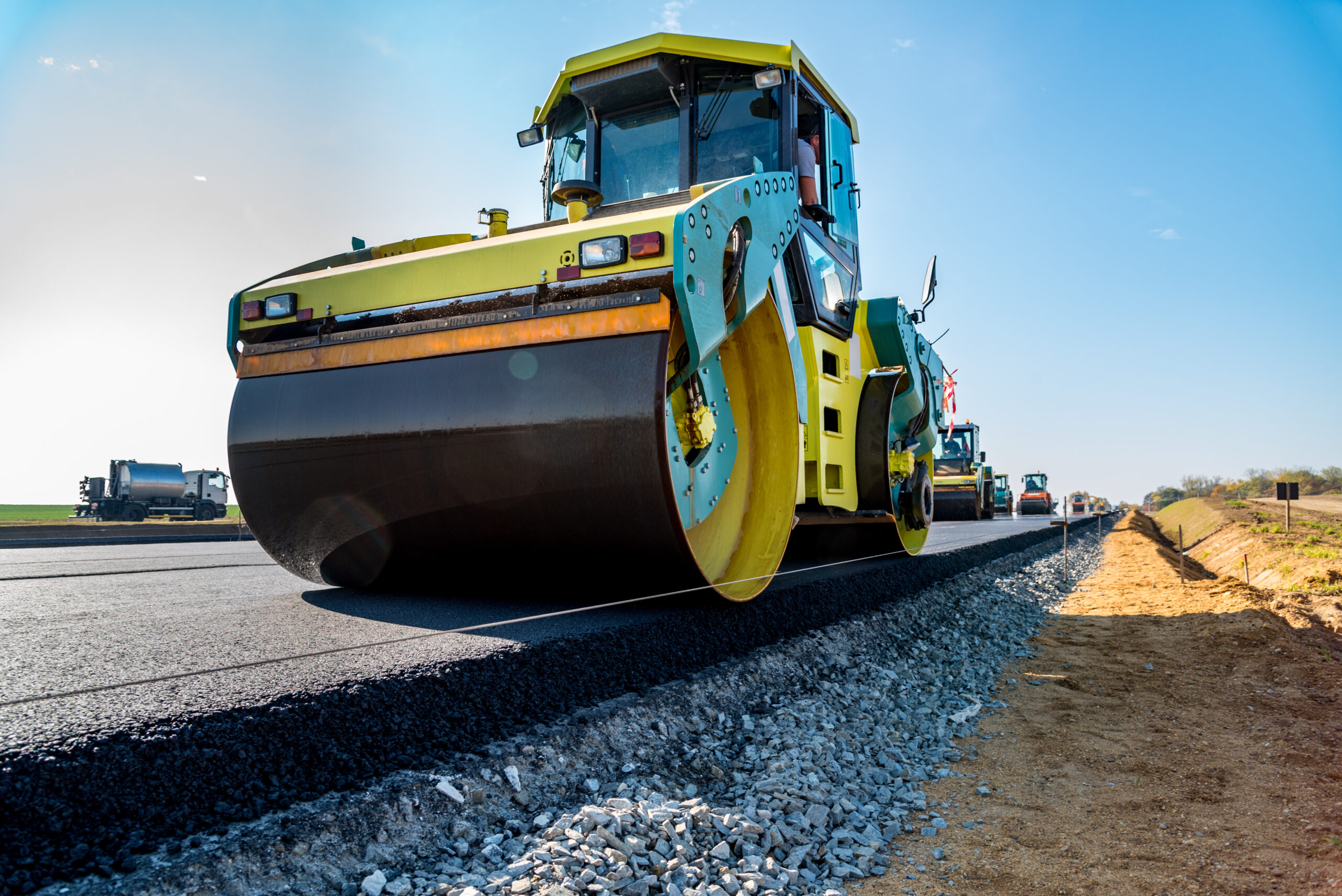
Once the asphalt mixture has reached the construction site, it’s then precisely laid down by paving machines, which distribute the mix evenly and at the correct thickness. After the asphalt has been laid, it’s then compacted using heavy rollers, which is crucial for achieving the desired density and creating a smooth pavement surface. Properly compacting the asphalt ensures that it can withstand the stresses of traffic and environmental conditions.
#6. Curing and Quality Control
After it has been compacted, the newly laid asphalt must undergo a curing process. Curing involves allowing the pavement to cool and harden, which is a critical aspect of developing its structural integrity. Throughout the process, quality control measures are implemented, including testing the density, thickness, and smoothness of the asphalt surface. These tests help identify any issues that may impact quality, ensuring the finished product meets the required specifications.
#7. Maintenance and Longevity
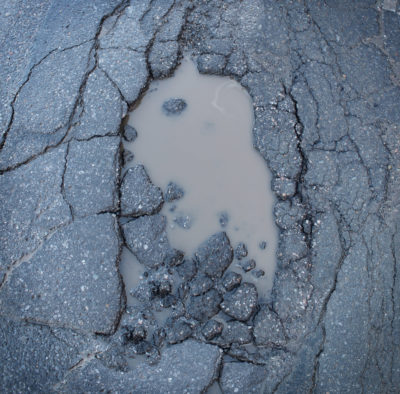
After the asphalt is made and laid, the process doesn’t end there. Regular maintenance is key to extending the lifespan of any asphalt surface. That’s why Precision Asphalt Maintenance offers services such as sealcoating, pavement repairs, and crack filling to help these surfaces last longer. We are dedicated to preserving the asphalt’s structural integrity and protecting it from the damage that comes with weather, traffic, and time.
Our Asphalt is Made to Last
At Precision Asphalt Maintenance, our asphalt is made to stand the test of time. We take pride in understanding and contributing to the asphalt production, installation, and repair processes.
Our professional team is committed to quality, innovation, and attention to detail, ensuring that our products and services always meet the highest standards of durability and functionality.
If you’re seeking repairs for cracked or crumbling asphalt or are looking into getting a new asphalt surface installed, look no further than the experts at Precision Asphalt Maintenance. Request a quote today to get started!