Whether you own a residential or commercial property, choosing the right material for your driveway is essential. Asphalt and gravel driveways are two of the most common options, each with their own advantages and disadvantages. The best choice for you depends on your budget, maintenance expectations, aesthetic preferences, and more.
If you’re debating which type of driveway to install on your property, keep reading to learn the different characteristics of asphalt and gravel driveways and how to determine which is best for you.
The Basics of Asphalt and Gravel Driveways
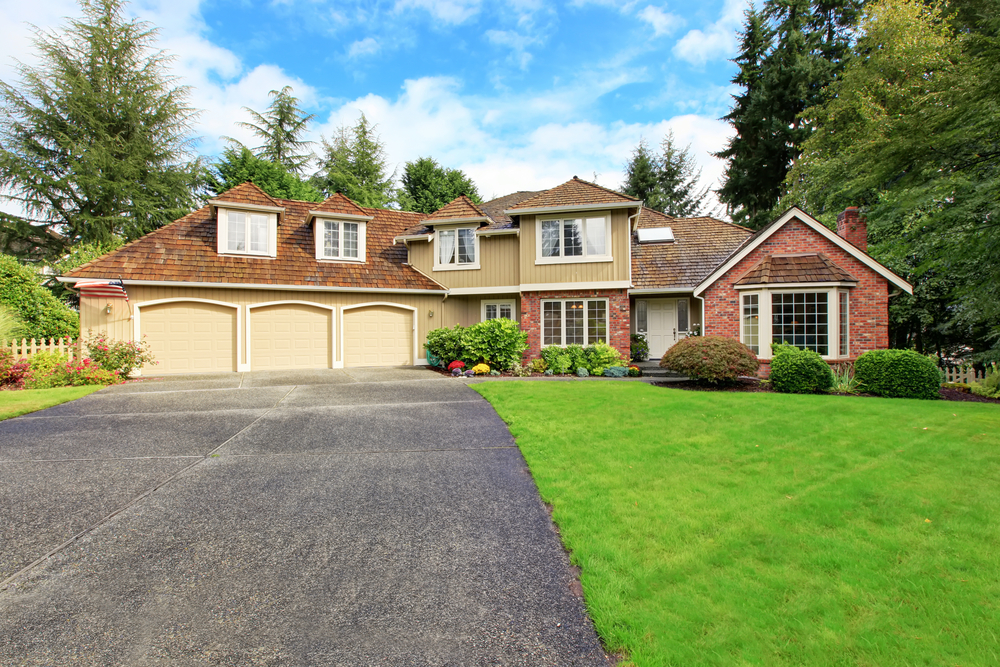
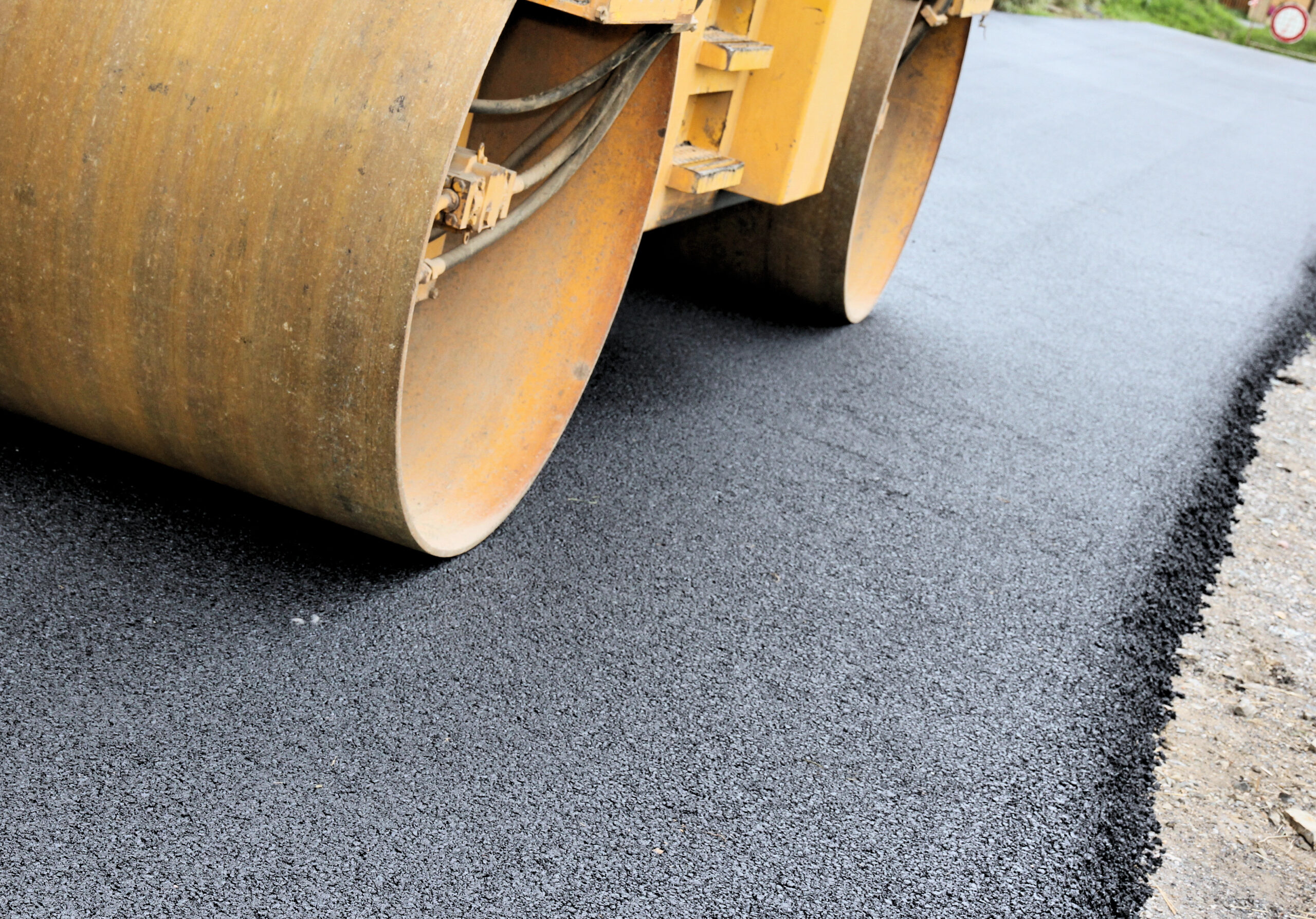
Asphalt consists of aggregates — stone, sand, and gravel — bound together with asphalt cement. It creates a smooth, durable driving surface that’s perfect for residential driveways, commercial parking lots, roads, and more.
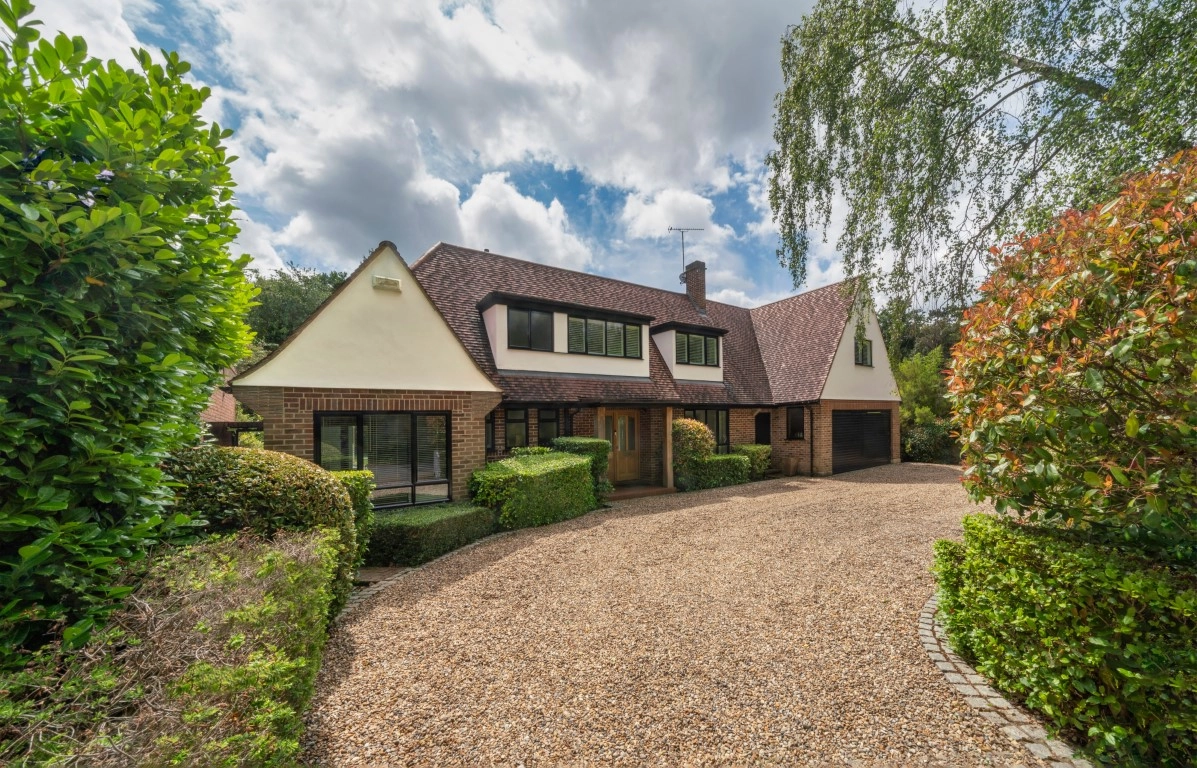
Gravel driveways, on the other hand, are made from crushed stone or natural gravel spread over a prepared base. They’re commonly used for rural homes, farms, ranches, long private driveways, temporary access roads, and low-traffic properties.
Cost Comparison
Gravel driveways generally have a lower upfront installation cost than asphalt because they require less preparation, equipment, and materials. However, gravel’s long-term costs may be greater than those of asphalt because it often requires frequent replenishment and grading. Properly maintained asphalt can provide decades of service with fewer major repairs than gravel, giving it a greater return on investment.
Durability and Lifespan
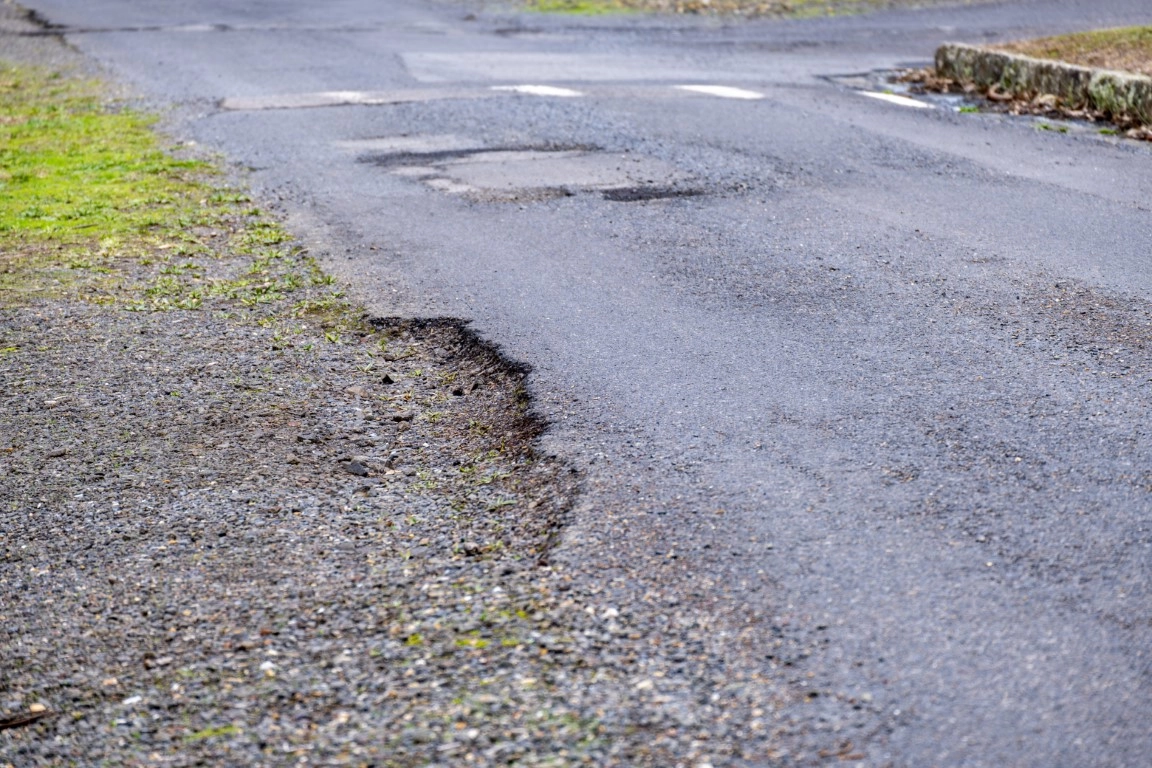
Asphalt can withstand regular vehicle traffic — that’s why it’s the material of choice for most roads. Its flexibility helps it handle freeze-thaw cycles better than rigid materials. Gravel, on the other hand, shifts over time, causing rutting and potholes. It needs to be replenished periodically in order to maintain a safe driving surface.
Maintenance Requirements
Maintaining asphalt requires sealcoating every few years, filling cracks when they occur, repairing potholes, and preventing water intrusion. Maintaining gravel driveways requires routine grading, filling low spots, adding new gravel to replace any losses, weed control, and managing erosion after heavy rainfall.
Maintenance frequency depends on how you use your driveway and the weather conditions. Gravel maintenance is typically required more frequently, and while asphalt maintenance is usually less frequent, it’s more specialized.
Appearance and Curb Appeal
When it comes to appearances and curb appeal, asphalt is known for its clean, finished look. With its smooth, uniform appearance, it complements modern homes and businesses. Conversely, gravel driveways create a natural, countryside aesthetic that works well with rustic farmhouses and charming historic buildings. Neither option is more attractive than the other — it all depends on your personal aesthetic preferences.
Weather Performance
Thanks to its flexibility, asphalt typically performs well in cold climates. However, it requires proper drainage to prevent water damage; plus, extreme heat may soften asphalt temporarily. Gravel driveways come with some erosion concerns, with the potential for washouts on steep slopes.
If you live in a snowy climate, plowing and shoveling are much easier with asphalt than gravel because the surface is fixed. Gravel tends to get displaced when plowing, requiring replenishment in the springtime.
Driving Comfort
Asphalt facilitates a nice, smooth ride with less dust and noise. Gravel, on the other hand, has a rough surface that’s not as suitable for bicycles, strollers, and wheelchairs. The loose stones can clang against vehicles’ undercarriages, and during dry weather, it creates a lot of dust. If driving comfort is a priority, an asphalt driveway is the way to go.
Drainage Considerations
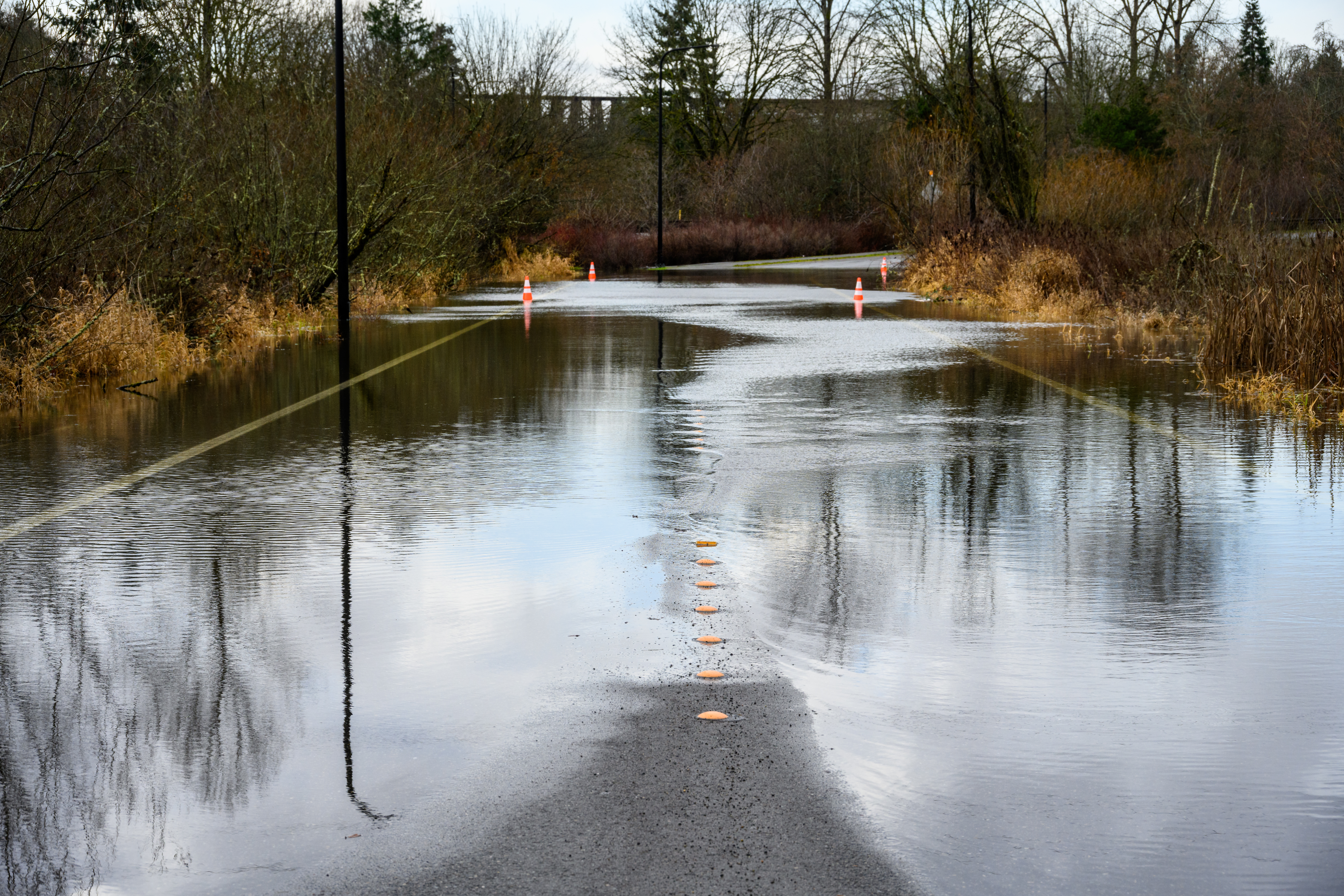
Drainage is much easier with gravel driveways because the rocks naturally allow water to filter though. However, poor grading can still lead to erosion and washouts. Asphalt also requires proper grading, but it needs a drainage system, as well. Without the right drainage, standing water will shorten the pavement’s life.
Choosing Between Asphalt and Gravel
Asphalt is typically the better option for a driveway when property owners:
- Want a polished appearance with increased curb appeal
- Anticipate higher traffic
- Value easier snow removal and less long-term maintenance
- Want better accessibility
Gravel driveways can make sense for:
- Projects with limited installation budgets
- Very long rural driveways
- Agricultural properties
- Temporary driveways
- Rustic property designs
To determine which material is best for you, consider these factors:
- Budget
- Property size
- Climate
- Expected traffic volume
- Desired appearance
- Maintenance commitment
- Long-term ownership plans
Refresh Your Driveway with Precision Asphalt Maintenance
If you decide to go with an asphalt driveway, trust the experts at Precision Asphalt Maintenance to provide the reliable service you need. Whether it’s repairs, sealcoating, resurfacing, or laying down a whole new asphalt surface, we can do it all. Contact us today to learn more about how we can help!