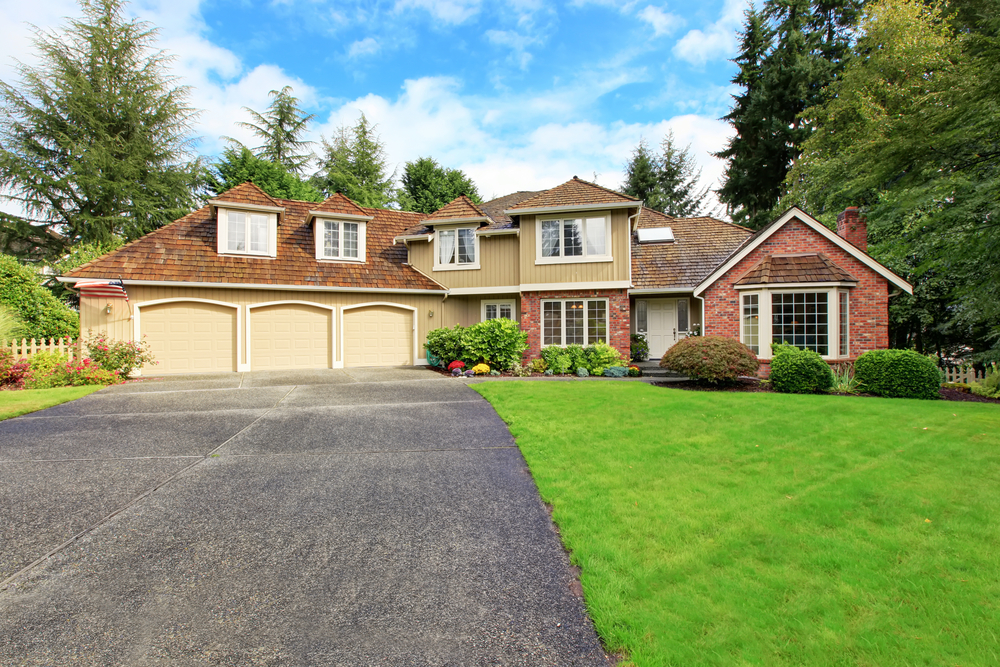
The condition of your asphalt surface — whether it’s a parking lot, roadway, or residential driveway — affects your property’s curb appeal, safety, and long-term maintenance costs.
If your asphalt has seen better days, you’re faced with an important choice between repairing, resurfacing, and replacing the pavement. But how do you know whether it’s best to fix localized damage, add a new asphalt layer over the existing pavement, or remove and reconstruct the entire surface?
At Precision Asphalt Maintenance, we want you to have the tools you need to make informed decisions about your asphalt surfaces. In this blog post, we’ll explore the pros and cons of asphalt resurfacing, replacement, and repair, along with ideal use cases for each.
Factors to Consider When Evaluating Your Asphalt Surface
So, you’ve noticed some damage on your asphalt surface. As you decide what to do about it, here’s some things to consider:
- Age of the asphalt: Depending on use and maintenance, asphalt typically lasts between 15 and 20 years.
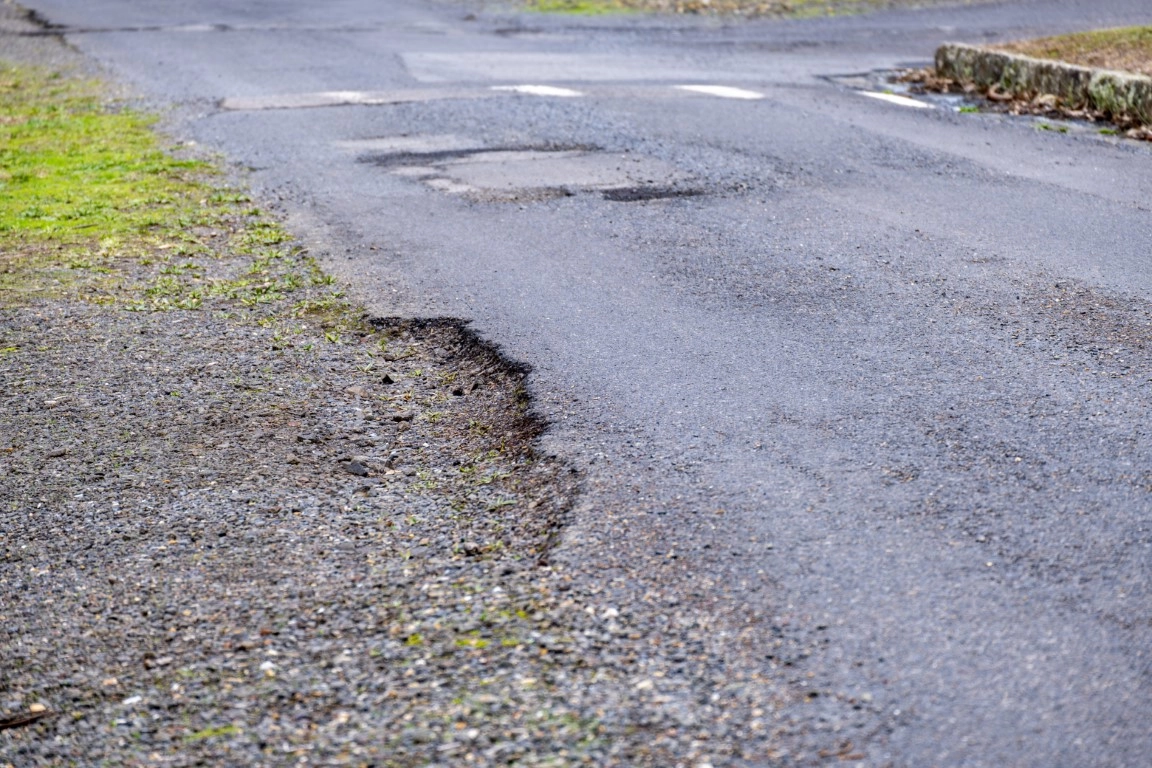
- Extent of damage: What kind of damage is present, and how significant is it? Identify whether it’s cracks, potholes, rutting, or drainage issues.
- Usage and traffic load: Is the surface used as a residential driveway, or is it a commercial parking lot or roadway?
- Underlying base condition: A solid base may allow for resurfacing, while a failing base might require replacement.
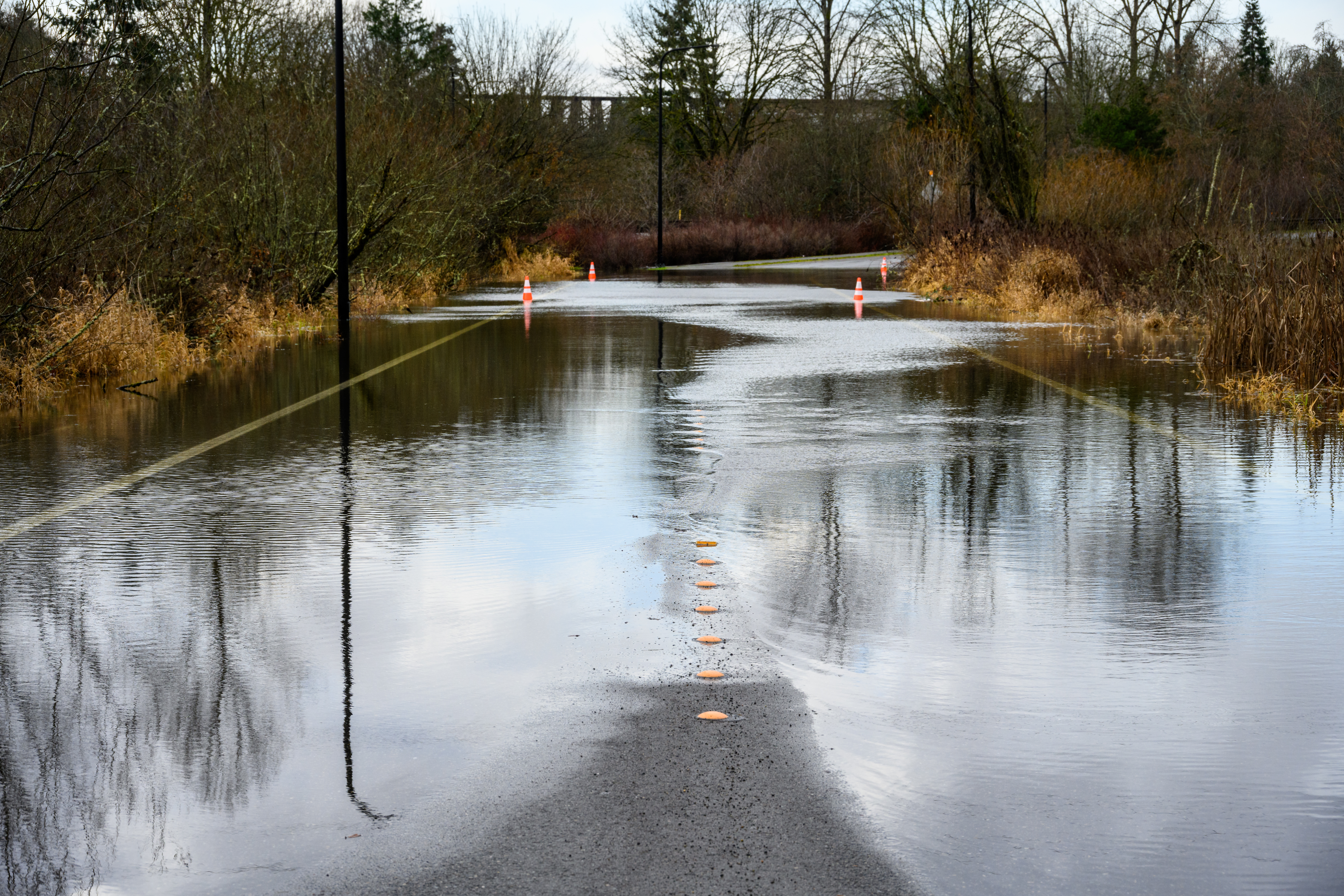
- Drainage and water pooling issues: If standing water is present, it may signal structural issues.
When to Repair Your Asphalt
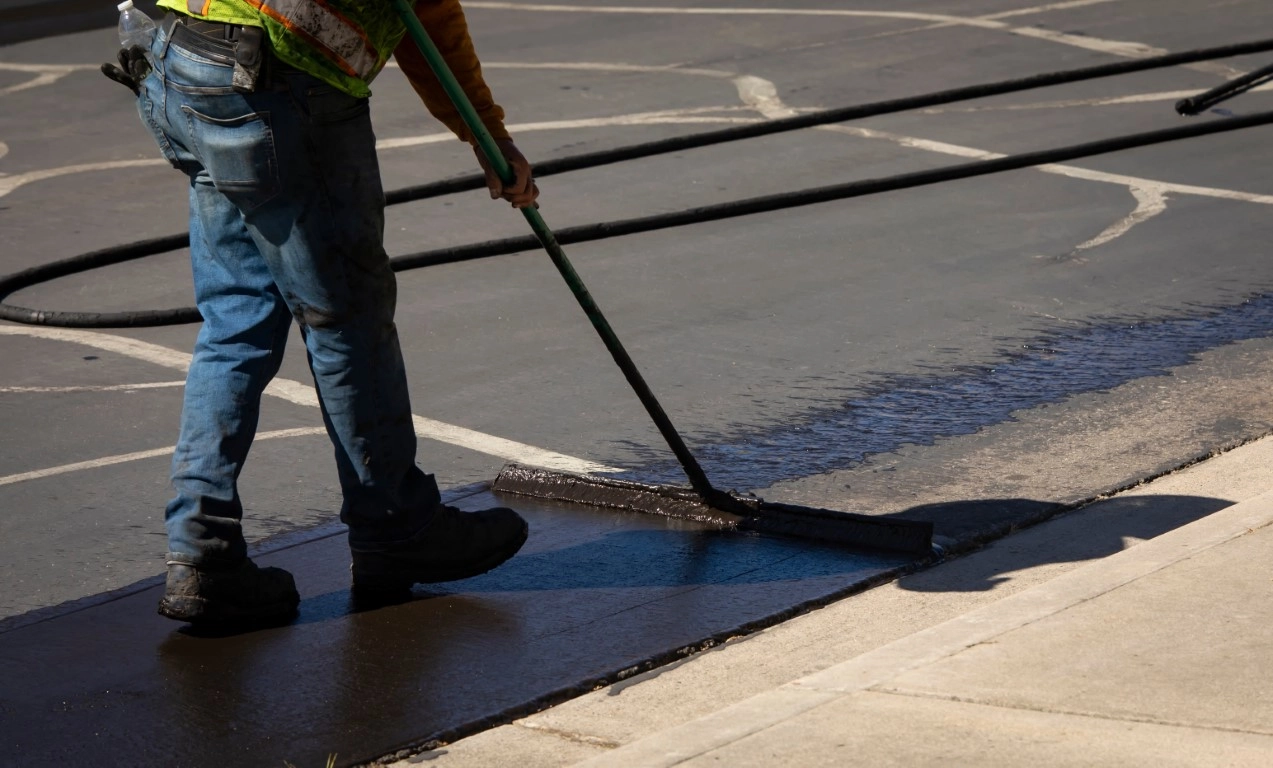
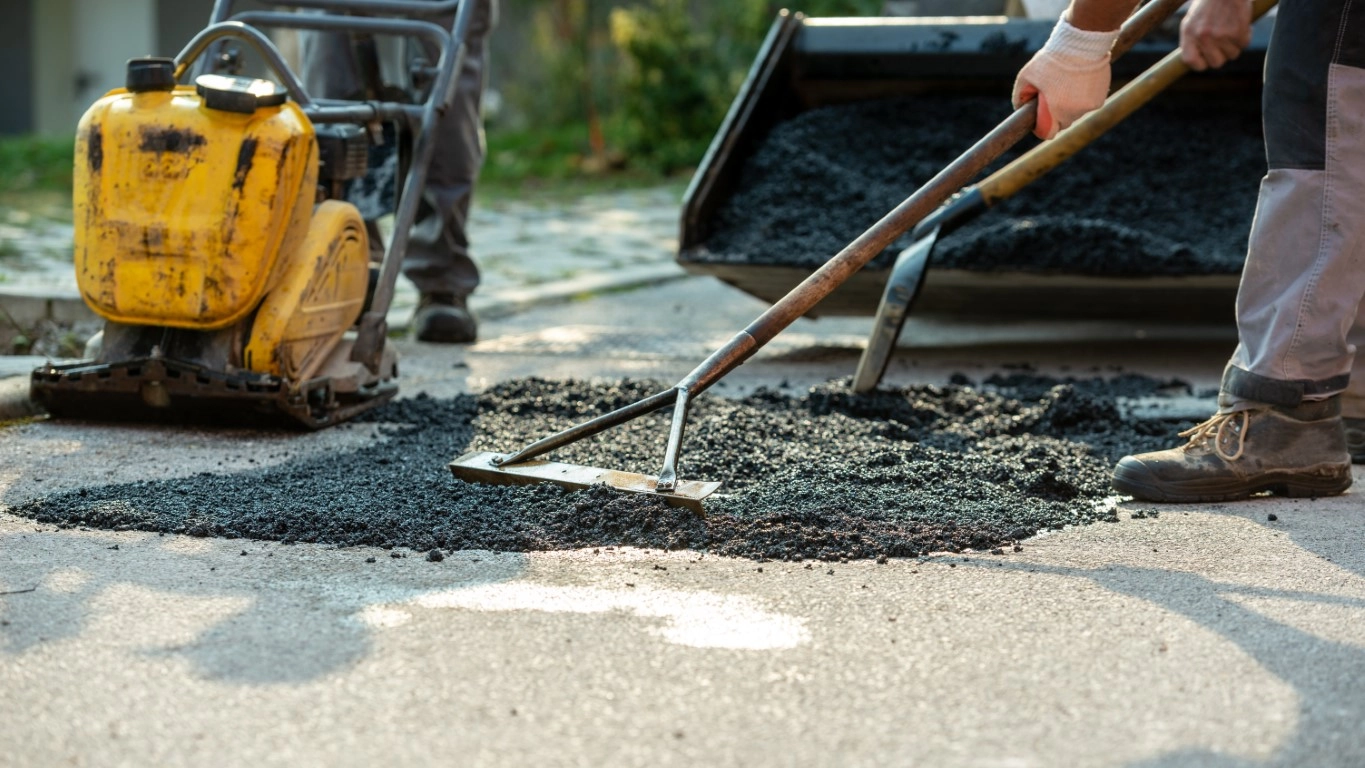
Repairing your asphalt is the best, most cost-effective choice when there’s minor surface damage, such as early-stage wear and tear. Repairs may include crack sealing, pothole patching, or sealcoating.
Opt for asphalt repair when:
- Less than 25 percent of the surface is affected.
- The damage is isolated and shallow.
- There are no major base or drainage problems.
When Resurfacing is Best
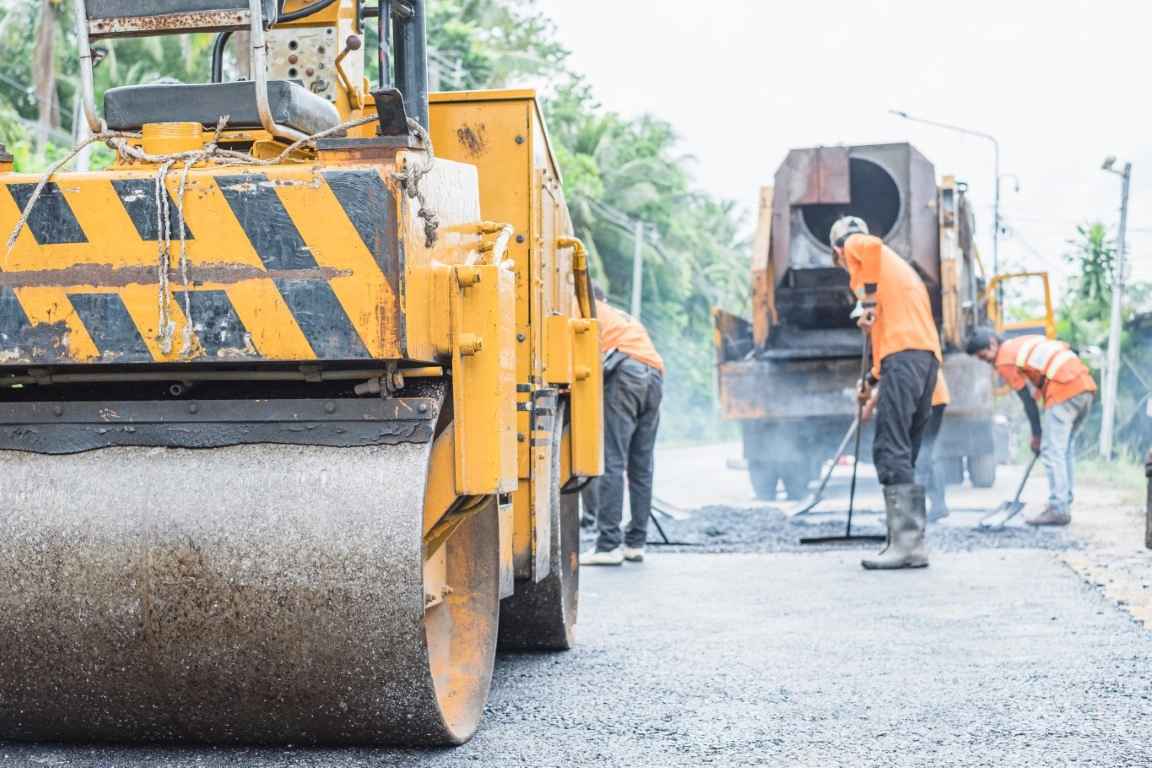
Resurfacing involves adding a new layer of asphalt on top of the existing surface. It’s ideal for cases where there’s widespread surface wear, but the base remains structurally sound. Asphalt resurfacing comes with many advantages, including extending the pavement life by as much as 8 to 15 years. It’s also more affordable than full replacement, making it an attractive option for those on a budget.
Resurfacing is a good choice when:
- Around 25 to 50 percent of the surface shows wear.
- The surface has raveling around the edges, minor rutting, or oxidation.
- The base remains strong and intact.
When to Fully Replace Your Asphalt
Asphalt replacement involves removing the entire existing pavement surface, rebuilding the sub-base, and adding new asphalt. The process is extensive and costly, so it’s typically only done when the existing asphalt cannot be salvaged, such as in cases where the pavement is severely damaged or structurally unsound.
Replacement is typically unavoidable when:
- More than 50 percent of the surface is damaged.
- There’s widespread cracking or severe potholes.
- There are persistent water drainage issues.
- The base has deteriorated or settled unevenly.
Preventative Maintenance to Extend Asphalt Lifespan
If you want to avoid asphalt resurfacing, replacement, and repair altogether, it’s essential to perform preventative maintenance. As soon as issues like cracks and potholes arise, get them professionally evaluated to determine the cause of the damage and determine the best course of action.
It’s also a good idea to get on a sealcoating schedule. When you seek sealcoating every two years, you can significantly extend the lifespan of your pavement by adding water and chemical resistance and smoothing out the surface.
By taking proper care of your asphalt, you can avoid costly replacement and extend the time between resurfacing cycles.
Getting a Professional Evaluation
If you’re not sure which option is right for you, it’s a good idea to seek a professional evaluation before making any decisions. A reputable contractor will inspect your asphalt surface and determine its condition, the integrity of the base, any drainage issues, and the traffic patterns it must withstand. Based on their findings, they’ll give you customized recommendations for resurfacing, replacement, or repair so you can make an informed decision.
Expert Asphalt Services in Utah
If you’ve noticed damage to your asphalt surface, don’t wait — contact Precision Asphalt Maintenance today to request a free estimate, get the project started, and prevent the damage from getting worse. We’ll be there as soon as possible to provide the reliable asphalt maintenance services you — and your property — deserve.