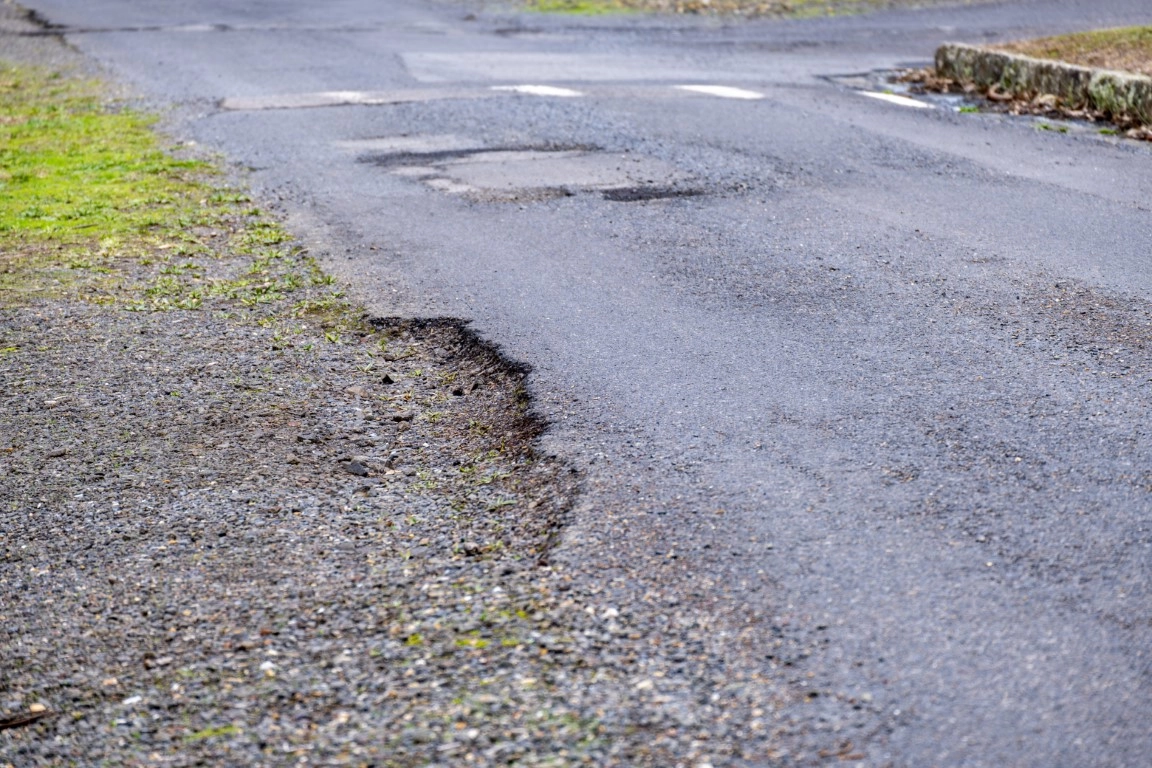
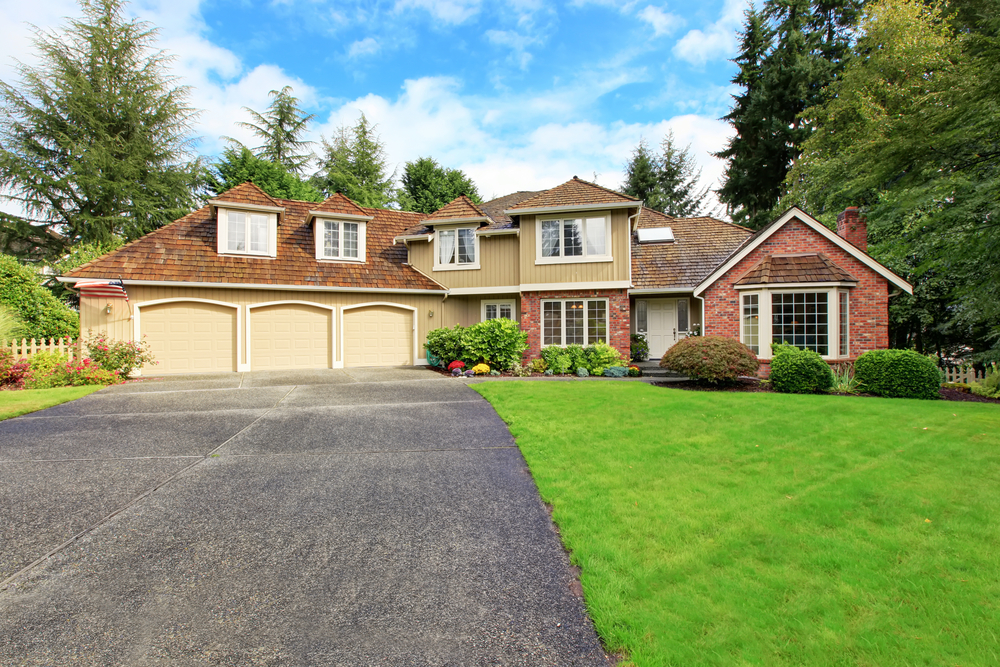
Asphalt surfaces are designed to shed water, not hold it. In fact, water pooling on the asphalt is one of the most common warning signs of pavement problems. Puddles may seem harmless, but even the smallest ones can accelerate asphalt deterioration and lead to costly repairs.
If you’ve noticed water pooling on your asphalt, keep reading to learn why proper drainage is essential, some common reasons water may be collecting on the surface, and what you can do about it.
Why Proper Drainage Matters for Asphalt
Water is one of the biggest threats to asphalt surfaces. Prolonged exposure to water weakens the pavement’s structure, penetrating its cracks and joints. Over time, water can even erode the base beneath the asphalt.
The potential long-term consequences of pooling water include:
- Accelerated pavement damage: Water infiltrates the pavement structure, weakening the base layer and leading to cracks or potholes.
- Increased repair costs: Early repairs are much simpler and less expensive than major reconstruction. Making minor drainage corrections now can prevent larger problems down the line.
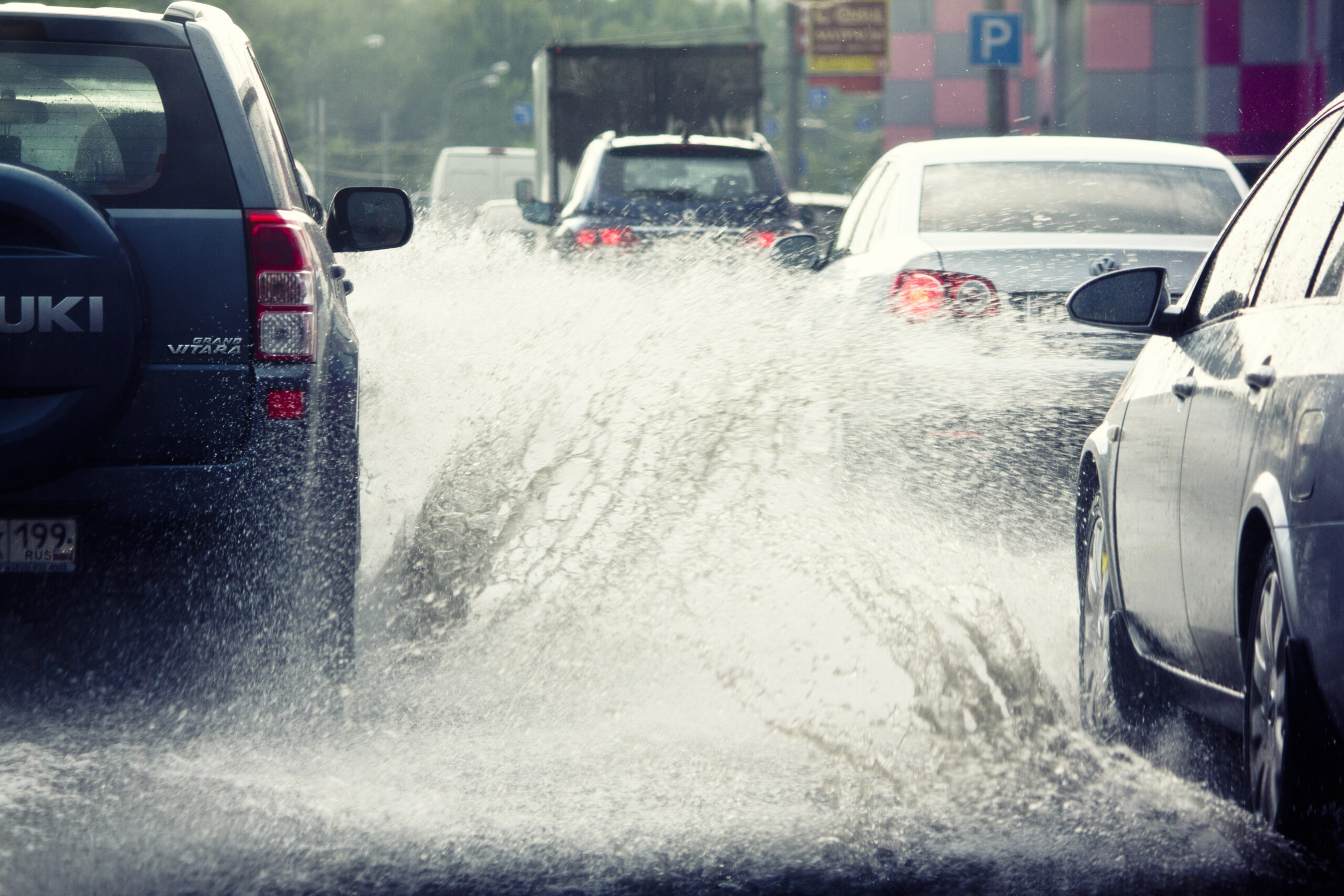
- Safety concerns: Pooling water increases slip-and-fall risks, makes hydroplaning more likely, and reduces visibility.
- Appearance and property value issues: Big puddles have a definite negative impact on curb appeal, making a poor first impression on visitors and creating a perception of poor property maintenance.
Common Reasons Water Pools on Asphalt
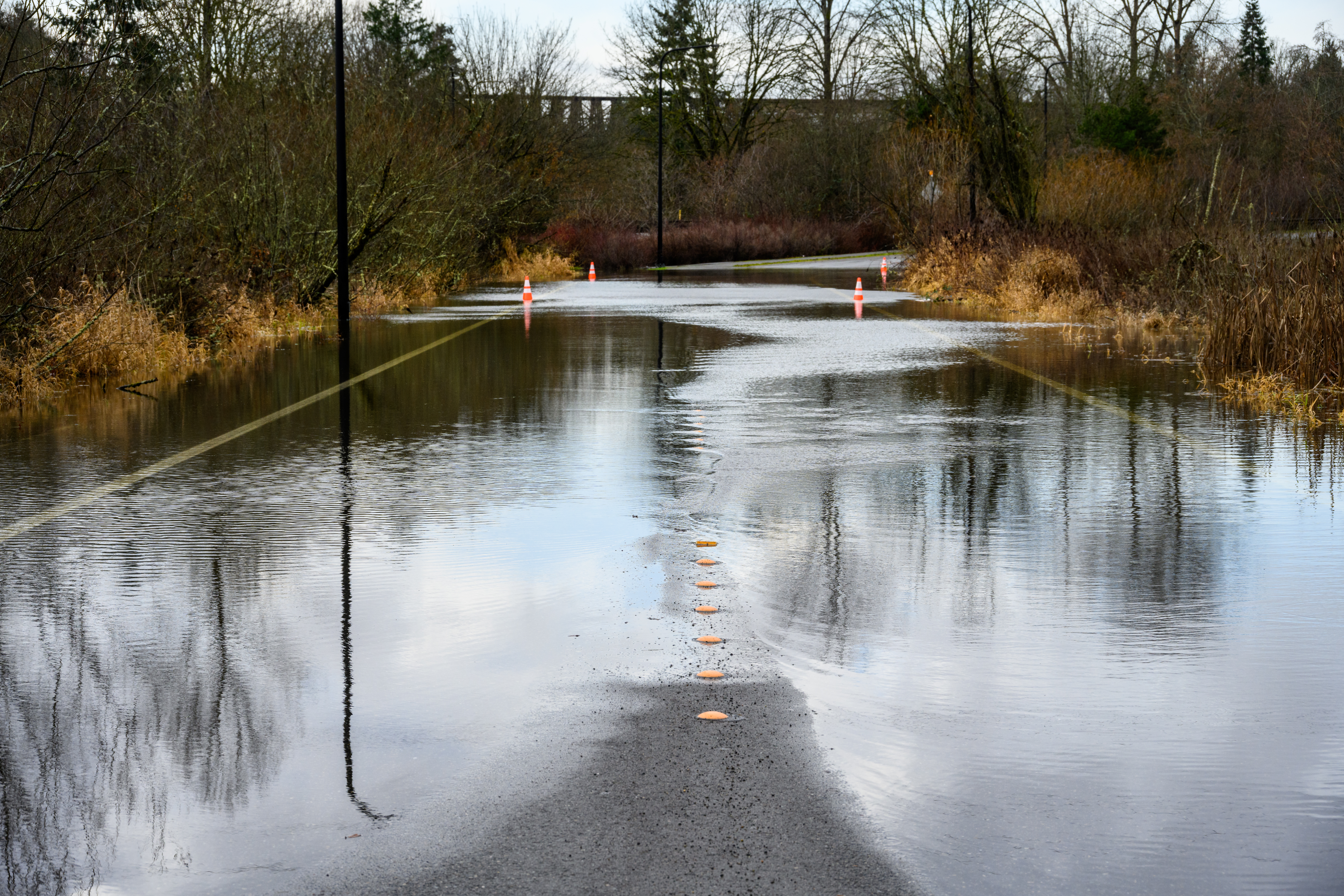
Now that you know why proper drainage matters, let’s take a look at some of the common reasons why water may be pooling on your asphalt.
- Poor initial installation: Improper grading during installation can create low spots where water can collect.
- Asphalt settlement: Asphalt surfaces settle over time. If the subgrade materials are poorly compacted, they can sink over time, creating depressions in the asphalt that collect water.
- Heavy vehicle traffic: Repeated pressure from heavy trucks and equipment can cause rutting. The wheel paths gradually become low areas where water accumulates.
- Soil erosion beneath the pavement: Water can wash away the supporting soil beneath the asphalt, causing voids that result in surface depressions.
- Aging asphalt: Asphalt naturally deteriorates and oxidizes over time. As it ages, it becomes more susceptible to deformation and water retention.
- Freeze-thaw cycles: Water expands when frozen, putting stress on the asphalt. This means that repeated freezing and thawing can create uneven surfaces and low spots.
- Clogged or inadequate drainage systems: Blocked storm drains, clogged catch basins, and insufficient drainage capacity can cause water to pool on the asphalt, especially during heavy storms.
How Much Pooling Is Too Much?
Not all puddles are cause for concern. Pooling water should typically disappear within 24 to 48 hours after rainfall. If it hasn’t been that long, don’t panic — but if it’s been longer than two days, you probably have a drainage problem.
Signs your asphalt needs a professional evaluation include persistent standing water, increasing puddle size, visible depressions, cracking, and soft or deteriorating pavement.
Solutions for Water Pooling on Asphalt
If water is pooling on your asphalt, drainage improvements are often the first step toward fixing the issue. This may involve installing additional drains and re-grading surrounding areas to improve water flow patterns. Localized repairs can also correct minor depressions, fill cracks and potholes, and level out the surface.
If the damage caused by the water is too severe, resurfacing may be necessary. This involves laying an additional layer of asphalt over the existing surface. However, if the base underneath the pavement is also damaged, complete replacement may be necessary. Rebuilding the pavement structure — correctly this time — helps prevent future pooling problems.
Preventing Future Pooling Problems
It’s important to prevent future pooling problems. This means scheduling regular pavement inspections to identify drainage issues early. You should also do your best to keep drains and gutters clear. Remove debris and sediment buildup whenever they appear to ensure water runoff has somewhere to go.
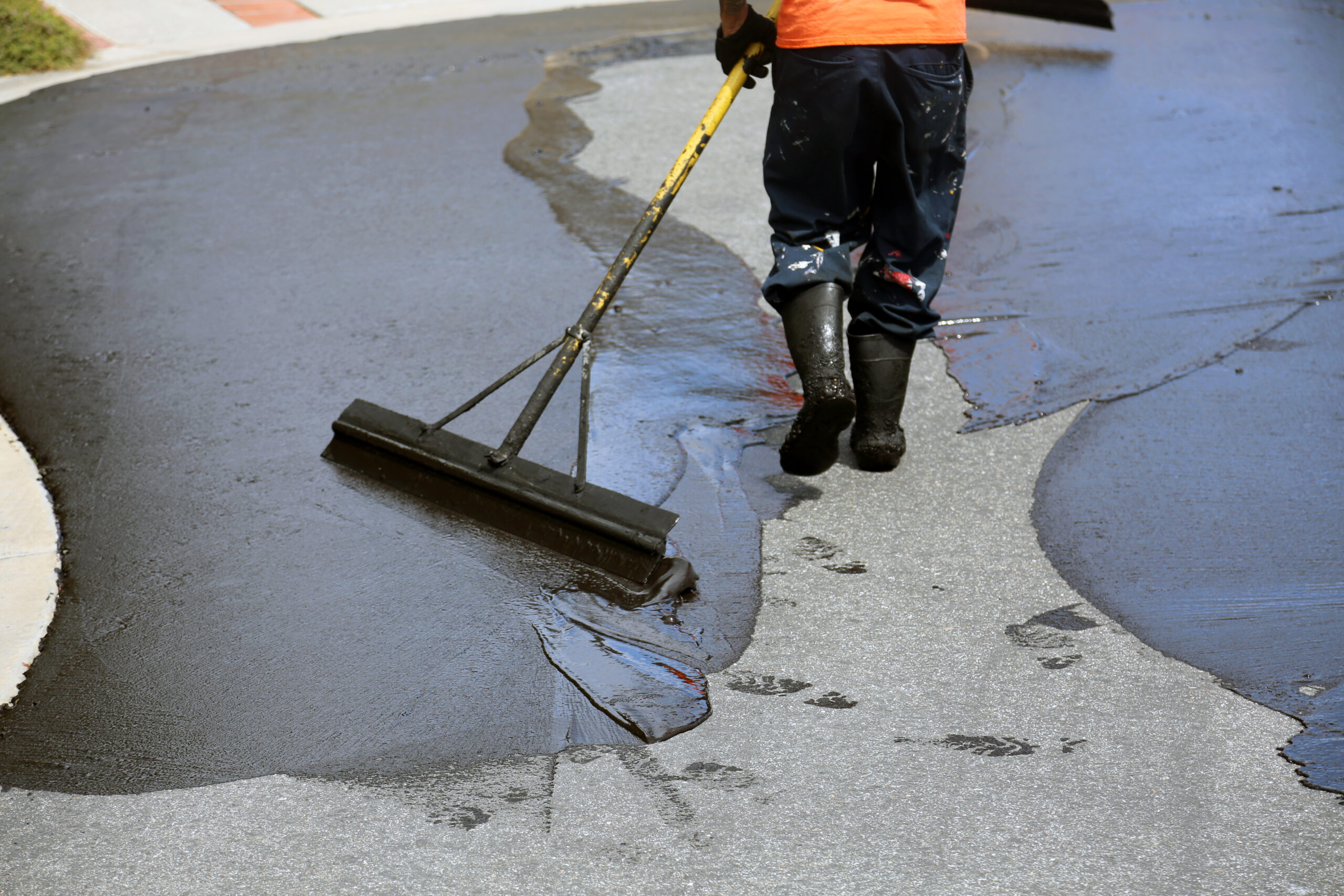
If cracks appear, repair them promptly to prevent water from penetrating the surface. Sealcoating can also be beneficial for protecting against water intrusion and extending the lifespan of your asphalt surface.
Trust the Experts at Precision Asphalt Maintenance
If there’s water pooling on your asphalt surface, don’t wait until major damage occurs — call the experts at Precision Asphalt Maintenance right away. We’ll determine the root cause of the issue and provide targeted, effective solutions designed to improve drainage and extend the life of your pavement. Contact us today to get started!